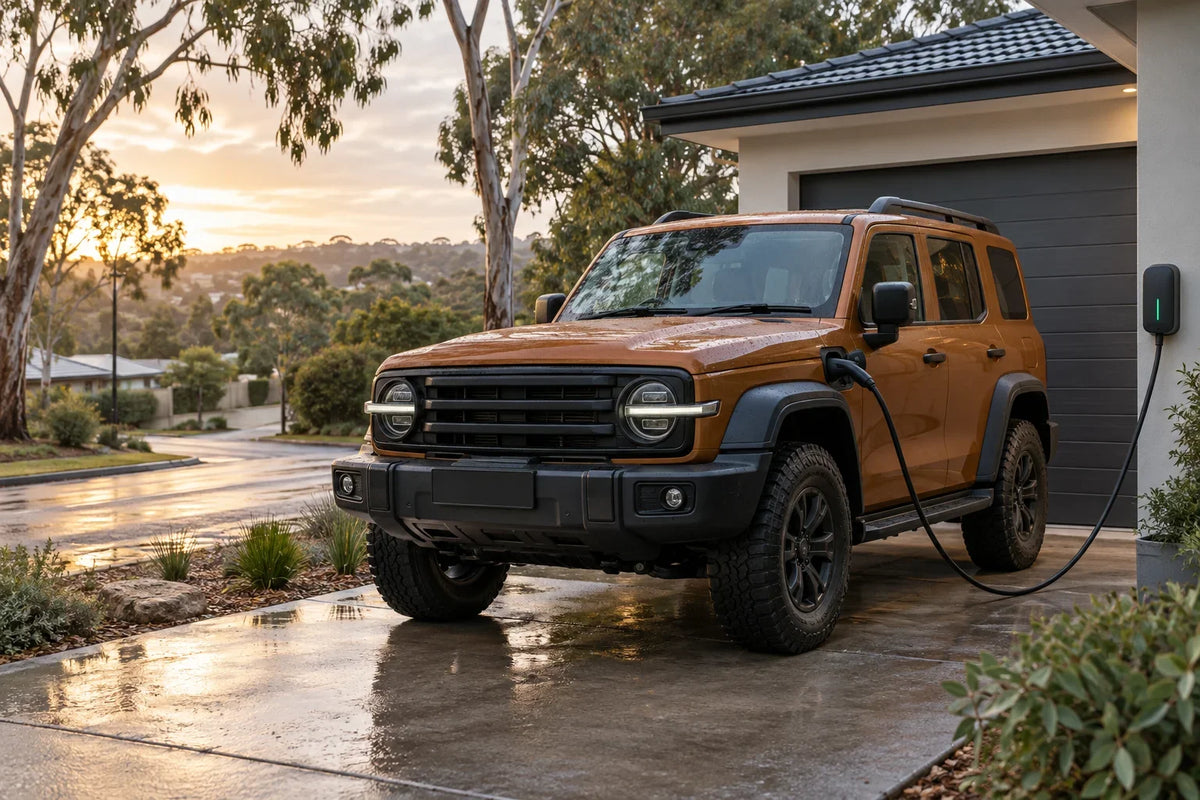
A TANK 300 camping bed is a parked-use sleep surface, not an extra passenger seat. Start with the cabin space you can actually create, then choose between an inflatable mattress, a separate travel bed pad, or a seat-conversion rack and bed kit. These products solve different problems. None should be ordered from the vehicle badge or a lifestyle photo alone.
This guide compares three Decision Maker 4X4 catalogue examples and the checks an Australian owner should make before ordering. It is not an installation test or a claim that any pictured configuration fits every petrol, diesel, HEV or Hi4-T PHEV TANK 300. Product options and availability can change; confirm the live listing and your exact vehicle with us.
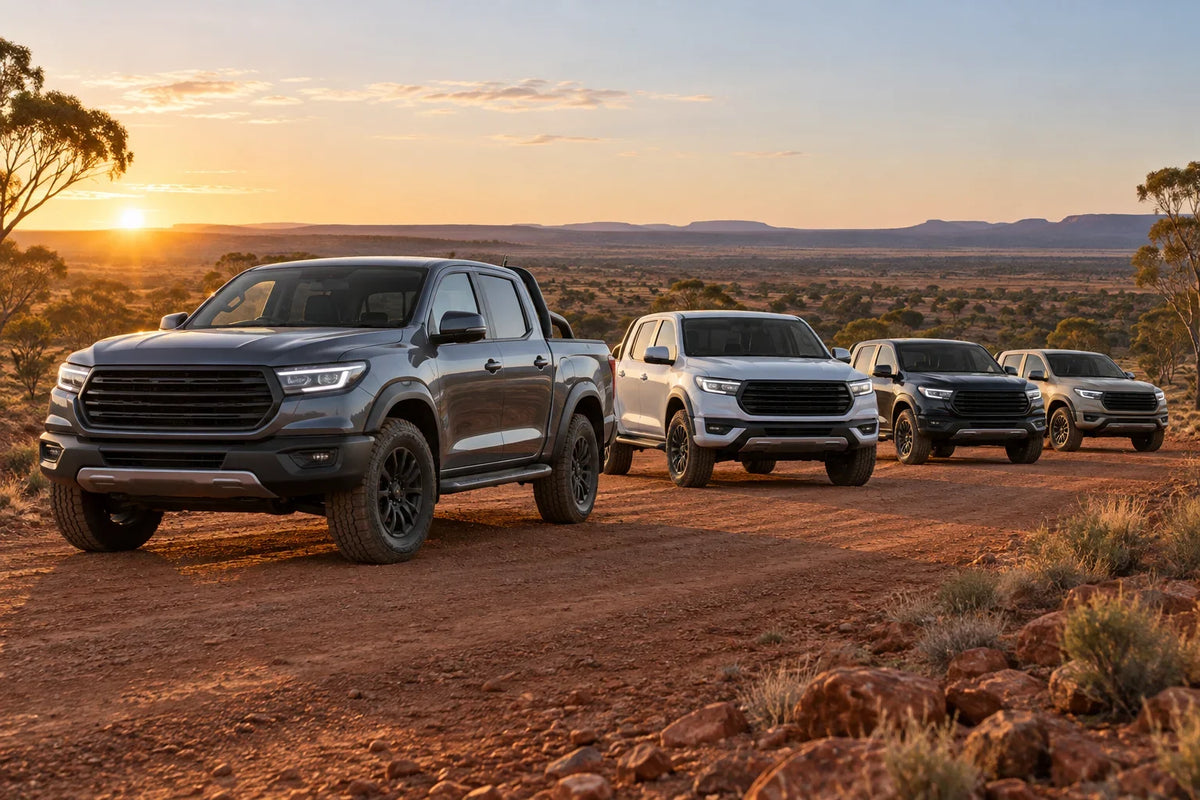
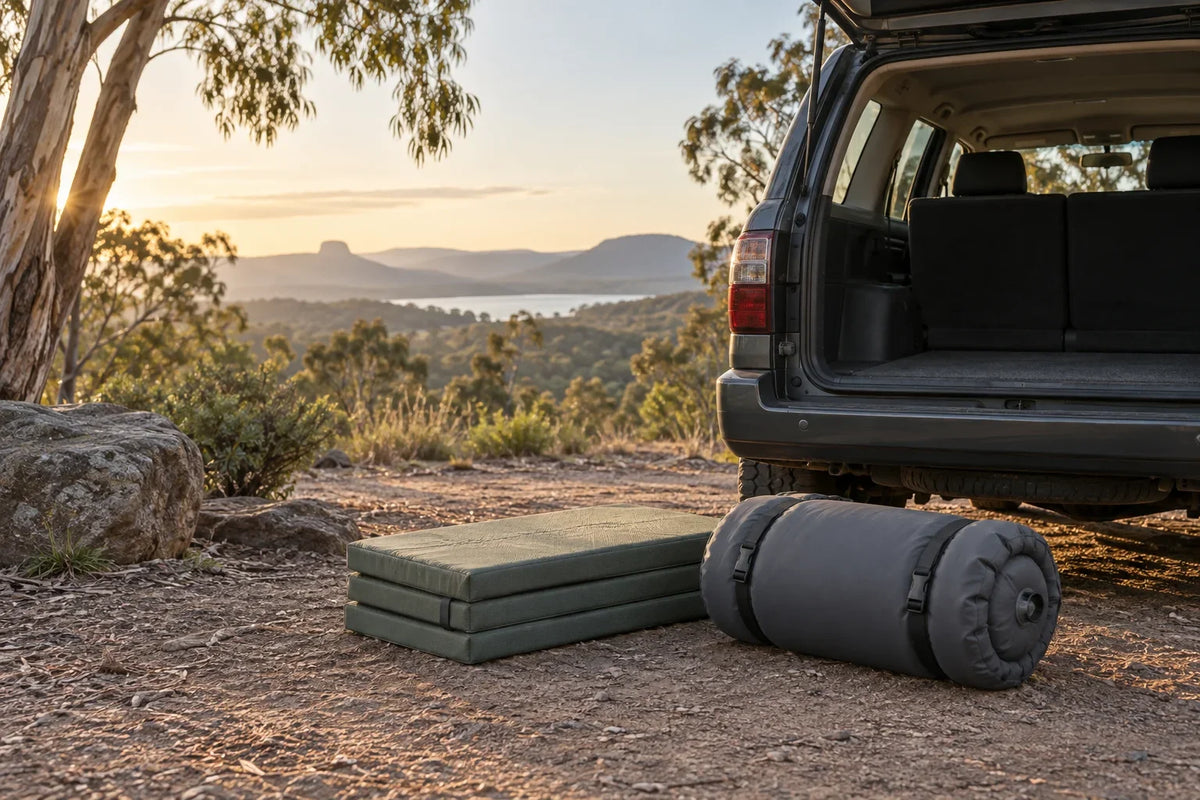
Sources and listings checked 29 September 2026. The cover is a generic AI concept, not a product or vehicle photograph. The three inline graphics are original editorial explainers; dimensions shown in them are prompts to measure, not TANK 300 specifications.
Quick answer: which type of TANK 300 bed do you need?
| Setup | What the listing represents | Best first question | Do not assume |
|---|---|---|---|
| Inflatable Car Bed for GWM Tank 300 | A portable inflatable sleep surface | Where will the inflated bed sit, and what inflates it? | That the pump, supports or every pictured item is included |
| Rear Seat Travel Bed Pad for GWM Tank 300 | A separate pad for a parked rear-cabin rest setup | Is the folded-seat surface already level enough? | That a pad creates a structural platform |
| Rear Seat Quick-Release Rack and Travel Bed | A listing with rack/bed-related options | Which exact option includes the frame, bed and fixings? | That every selectable variant contains the complete system |
The three inspected fitment tables name Petrol / Hybrid but leave the exact model year unspecified. They do not explicitly certify current diesel or Hi4-T PHEV versions. The product names describe categories and listed options, not verified dimensions or a complete package list. Ask for the selected variant, an itemised contents list and a current installation photograph for your model year and powertrain. If one photo shows several components, do not assume the selected option includes all of them.

Measure the cabin you will really use
Do not buy from an exterior vehicle dimension or another owner's mattress measurement. Move your own front and rear seats to the positions you intend to use at camp; then measure the usable length from the rear seat area to the closed tailgate, the narrowest width between trim and wheel arches, and the height change where seatbacks meet the cargo floor. Photograph the seat hinges, latches and any raised points.
Also check the door opening through which the packed item must pass. A mattress that fits when inflated may be awkward to load, fold or store. A rack can change the height of the sleeping surface and the remaining headroom. Ask for both installed and packed dimensions for the exact variant, rather than assuming all versions share the same measurements.
GWM Australia's TANK 300 range includes different powertrains and grades. Their cabin equipment and accessory fitment should be checked against your actual vehicle; a listing that says only “TANK 300” is not a complete fitment statement.

Inflatable bed: compact to carry, but check the complete setup
An inflatable item may suit a driver who wants a removable bed rather than permanent cabin hardware. Check its inflated shape, valve and inflation method, whether any pump or support pieces are supplied, and how it clears interior trim. A listing photograph is not proof that the same air chamber layout fits your grade.
Ask how the bed is protected from sharp cargo edges, how it is cleaned and dried before packing, and where it will be restrained while travelling. We have not inflated or pressure-tested the listed car bed, so we do not claim a comfort, durability or air-retention result.
Travel pad: comfort layer, not an answer to a height step
A pad is useful only when the surface underneath is suitable. First check the contour where the rear seatbacks meet the cargo area. If there is a ridge or unsupported gap, adding a soft pad does not automatically create a level, load-bearing platform. Compare the rear-seat travel bed pad against measured cabin dimensions and ask whether it is intended to be used alone or over another component.
Check the pad's packed size as well as its sleeping surface. If you still carry passengers or large touring gear, decide where the pad lives during the drive before choosing it.
Rack-and-bed kit: confirm the chosen option and installation work
A quick-release label should not be read as “universal” or “tool-free”. The rack and travel-bed listing can represent different package choices. Get written confirmation of the exact frame, bed, brackets and fasteners in your selected option.
If fitting requires removing or altering seats, belts, anchors, electrical connectors or factory fixings, stop and obtain qualified installation advice. Ask the installer how the vehicle returns to its normal passenger configuration and how every seat and restraint is checked afterwards. We have not fitted or load-tested this kit and do not assign it a load rating.
Parked mode and driving mode are different
Set up the bed only while safely parked. Keep a clear way to exit, use suitable ventilation, and keep flames, stoves and fuel-burning heaters outside the vehicle. NSW Health's carbon-monoxide advice explains the hazard from burning fuels; do not rely on an idling engine to make a sleeping cabin safe. Check local campsite and parking rules for the place you stay.
Before driving, pack the sleep surface, restore any seats and seatbelts needed for passengers, and restrain loose gear. The National Transport Commission's light-vehicle load-restraint guidance says loads must be carried safely and kept within the vehicle's mass limits. A mattress or platform is not a substitute for an approved passenger seat and restraint.

What to send for a useful fitment answer
Send your model year, powertrain and trim; a link to the exact product and variant; photographs of the rear seat, folded seatback, cargo floor and tailgate opening; your five measurements; and details of any drawers, fridge, storage rack or electrical equipment already installed. Tell us whether you need a fully removable setup or are considering a more involved conversion.
For the broader system—privacy, roof load, awning, gear storage and pack-down—see our TANK 300 camping and touring guide. The safest purchase is the one whose exact contents, dimensions and vehicle compatibility are confirmed before it is unpacked or installed.
Frequently asked questions
Will a TANK 300 inflatable bed fit a Hi4-T PHEV?
Do not assume so. Ask for a current fitment statement for the PHEV grade and compare the inflated footprint with measurements from your own vehicle. The product title alone does not settle seat, floor or cargo-layout differences.
Is a rear-seat bed pad the same as a seat-conversion platform?
No. A pad is a cushioning layer; a rack or platform is a structural arrangement. The package contents and installation requirements differ. Confirm the selected variant rather than treating the images as a bill of materials.
Can passengers travel on the camping bed?
No. A parked-use bed is not an approved passenger seat or restraint. Restore the vehicle's normal seating and belt arrangement before travel and get professional advice if any safety-related hardware was changed.
What should I ask before ordering?
Ask for an itemised package list, installed and packed dimensions, powertrain/model-year fitment, installation instructions and photographs of the exact selected option. Send your vehicle details and photos so the answer can be specific rather than a generic “fits TANK 300” claim.