
GWM says it has completed its 4,000th full-vehicle crash test, using an all-new Haval H7 PHEV for the milestone. That is a company-wide development figure, not 4,000 tests of the H7, and not an independent ANCAP rating for that model. The distinction is the most useful takeaway for an Australian vehicle buyer.
In its 28 September 2026 announcement, GWM described observations from the milestone test and the scale of its Chinese safety laboratory. The release does not provide an ANCAP result for that particular H7 PHEV test. To judge a vehicle you may buy, read the relevant ANCAP model page and confirm the exact variant and rating year.
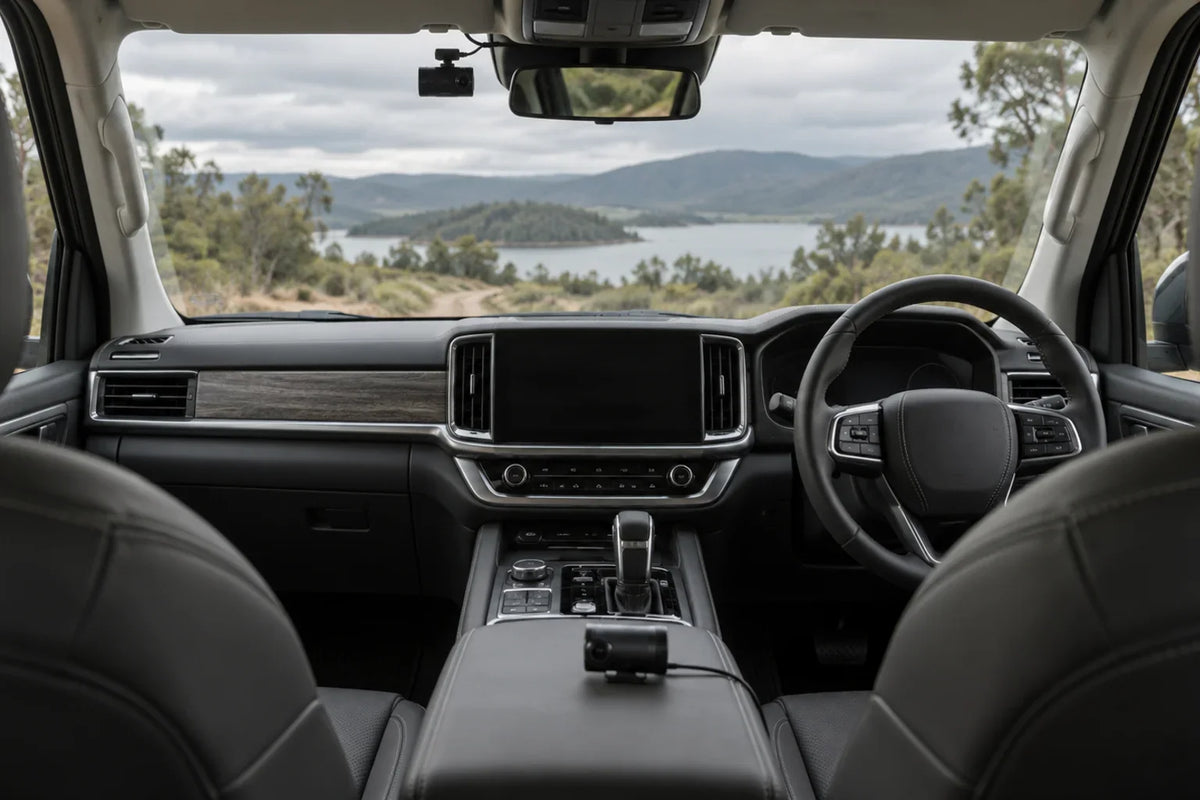
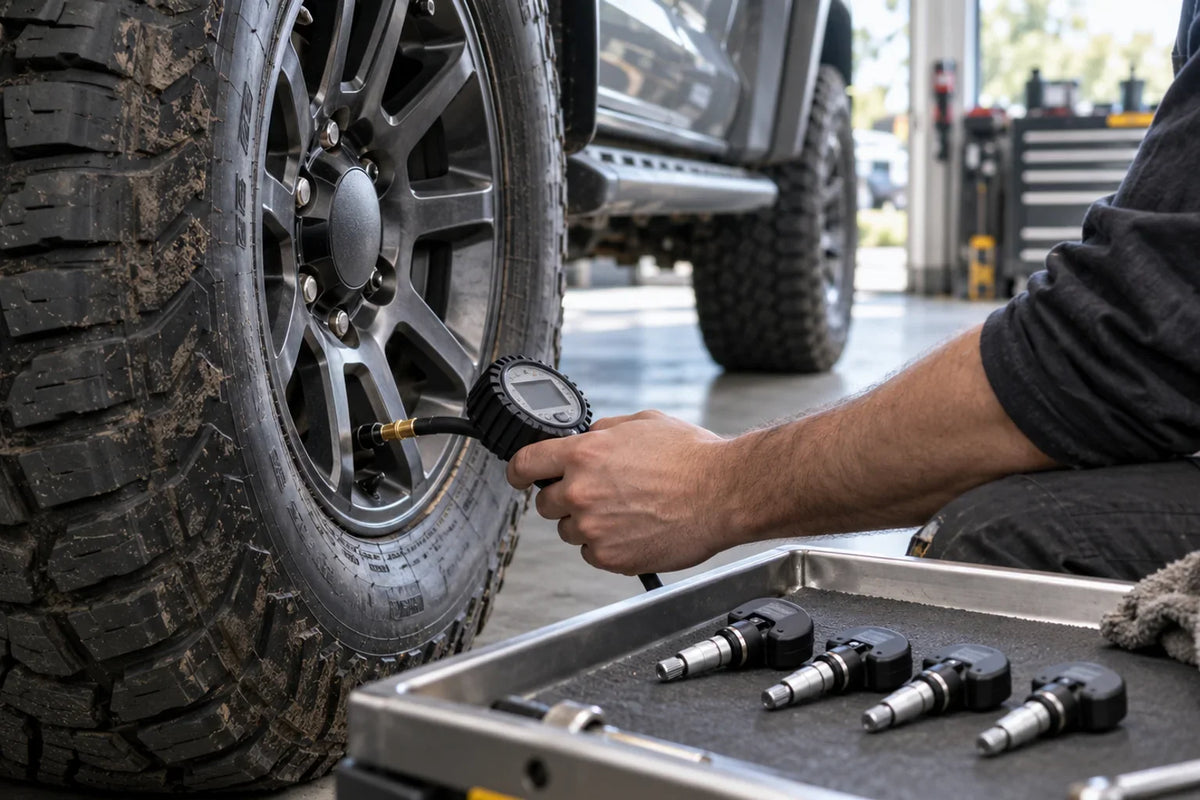
Report checked 1 October 2026. The cover is a generic AI laboratory concept, not footage or a photograph from GWM's test. The three supporting graphics are original editorial explainers. Decision Maker 4X4 did not witness or independently repeat the test.
What happened in test number 4,000?
GWM's announcement says the Haval H7 PHEV was selected for its 4,000th full-vehicle crash test. It describes the company's 57,000-square-metre safety facility and says the lab can examine a range of impact and post-impact scenarios. Those facility and test-count figures are GWM-reported; the public release does not make them a substitute for an independent rating of a specific Australian-market vehicle.
The company reports that, in this test, the passenger compartment maintained its integrity, doors remained operable, airbags and belts worked as intended, and the child dummies remained positioned in their restraints. For the PHEV systems, it reports that high-voltage power disconnected after impact, no fuel leak was detected and hazard lights activated. These are observations GWM chose to publish from a particular test. They do not establish how every H7 variant would score across all scenarios in an independent program.

Internal development is not the same as ANCAP assessment
A manufacturer can run thousands of engineering tests across many vehicle programs. That work matters, but the total does not tell a buyer the score, protocol year or variant coverage for one model. ANCAP publishes model-specific information, including the rating year and assessment areas, so readers can check a claim against a defined vehicle rather than a brand-wide milestone.
For example, ANCAP's current Cannon Alpha page shows a 2024 five-star rating with 84% adult occupant protection, 93% child occupant protection, 82% vulnerable road user protection and 81% safety assist. It states that its rating applies to diesel, hybrid and plug-in hybrid variants, with a technical report for exact details. Those published percentages belong to Cannon Alpha, not the H7 PHEV, TANK 500 or every future GWM.
Likewise, ANCAP's TANK 500 rating page identifies the vehicle, its 2024 rating year and fuel/variant scope. Buyers considering the newly introduced TANK 500 diesel should check the current applicability wording and technical report rather than transfer a hybrid/PHEV rating to a new powertrain by assumption. The vehicle badge alone is not enough.

Four questions an Australian buyer should ask
- Which exact model is rated? H7, TANK 500 and Cannon Alpha are separate vehicles. Do not transfer a rating between them.
- Which powertrain and build period are covered? A page or technical report may define the scope more narrowly than a showroom headline. Check a newly launched variant explicitly.
- What is the rating year? The star count must be read alongside the protocol year used for the assessment.
- What do the detailed categories show? Adult and child occupant, vulnerable road user and safety-assist results can reveal useful differences behind a single star count.

This distinction also matters when owners add accessories. A camera, roof load, cabin organiser or exterior part should not obstruct a factory camera, sensor, airbag area, occupant restraint or sightline. A manufacturer safety milestone cannot validate a particular accessory installation. Our TANK 500 modification guide treats cabin equipment and other accessories as parts of a connected build rather than proof of crash performance.
What should we watch next?
Watch for a published model-specific independent assessment of the exact H7 PHEV offered in Australia, if one becomes available, and check the variant scope of any future GWM ratings. Treat GWM's reported test observations as development news, not a final consumer score. For current TANK and Cannon buyers, ANCAP's live model pages remain the better place to verify whether a published rating covers their chosen version.
Frequently asked questions
Does 4,000 mean the H7 PHEV was crash-tested 4,000 times?
No. GWM describes its 4,000th full-vehicle test across its development history and says the H7 PHEV was chosen for that milestone test.
Did GWM's announcement give the H7 PHEV a five-star ANCAP result?
No such independent result is provided in the cited announcement. Check ANCAP directly for a published rating and its applicability before making a purchase decision.
Can the Cannon Alpha or TANK 500 rating be applied to another GWM?
No. Read each ANCAP model page and technical report for the exact vehicle, powertrain, build period and rating year. A shared brand is not a shared rating.